Clin-STAR Awardee Spotlight
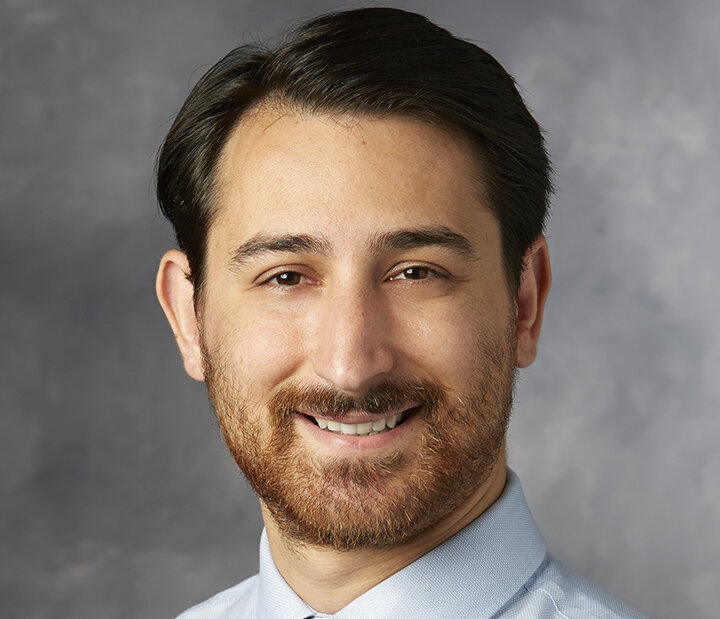
Jason Ross, MD, PhD
Assistant Professor of Radiation Oncology (Radiation Therapy)
Stanford University
Clin-STAR Aging Research Development and Training Grant – 2025
Investigating The Impact of the Aged Immune System on Cancer Development and Treatment Response
Aging is the greatest risk factor for cancer, and older patients have worse responses to cancer treatments and are more susceptible to treatment side effects. Given these realities, there is a critical need to develop more effective and safer treatments for elderly patients. Aging of the immune system contributes to these issues in the elderly by suppressing anti-tumor immunity and promoting pro-tumorigenic inflammation. The decline of the immune system with aging is regulated by hematopoietic stem cells (HSCs), which replenish all immune cells throughout life. Recently, we demonstrated that depletion of myeloid-biased HSCs (my-HSCs) can ‘rejuvenate’ aged immunity in animal models. In this proposal, we will investigate the impact of age-related immune decline and the role of HSC aging in cancer. Our research will inform therapeutic strategies to improve treatments for elderly cancer patients.
Mentor
Irving L. Weissman, MD
Stanford University
Research Interests: Radiation Oncology, Geriatric Oncology, Geroscience, Stem Cell Biology, Regenerative Medicine, Cancer Biology, Immunology
Age-related condition studied in research project:
- Cancer
Impact of research project:
- Clinical
- Translation
Clin-STAR Grantee Interview
How did you first find out about Clin-STAR’s research development grant program?
I learned about Clin-STAR and the research development grant through the National Institute on Aging (NIA) while seeking opportunities to develop my research program at the intersection of aging and cancer. Clin-STAR provides ideal opportunities to advance research by early-stage clinician-scientists.
What inspired you to pursue aging research and how does your perspective as a non-geriatrician specialist contribute to your research activity?
As a radiation oncologist treating many elderly patients, I have observed firsthand the challenges faced by this patient population. I plan to apply my perspective as a clinician and stem cell biologist to understand the relationship between aging and cancer to improve treatment for these vulnerable patients.
In your view, what does Clin-STAR mean to the field and what does it mean for you to receive a Clin-STAR grant now?
Clin-STAR is important to advance the field by supporting and connecting clinicians from diverse specialties to pursue aging research. As an early-stage investigator, receiving the Clin-STAR grant is critical to support my research focused on understanding the relationship between aging and cancer. In addition, as a member of the Clin-STAR community, I will have the opportunity to learn from leaders in the field and be connected to other individuals committed to improving the lives of elderly patients.
What’s exciting about your research’s potential impact to your career, field, and patients?
My previous studies focused on rejuvenating aged immunity. For this Clin-STAR project, I am investigating how aging impacts cancer immune responses, with the goal of identifying new approaches that could enhance treatment responses or reduce side effects in elderly cancer patients.
How do you plan to collaborate with your mentor or co-investigators on this project?
My previous work with primary my mentor demonstrated approaches to rejuvenate aged immunity. For this project, I will continue to work with my mentor to examine the impact of aging on stem cells and cancer. This mentorship is critical to advance my research program at the intersection of aging and cancer.